

What Westminster Property Owners Need to Know About Mold Testing Right Now
Mold testing in Westminster is the only reliable way to confirm whether your home or business has a hidden mold problem — and how serious it is.
Here’s a quick answer if you’re short on time:
| Question | Quick Answer |
|---|---|
| What does mold testing cost? | $200–$600 depending on property size and tests needed |
| How long does it take? | 2–3 hours on-site; lab results in 24–48 hours |
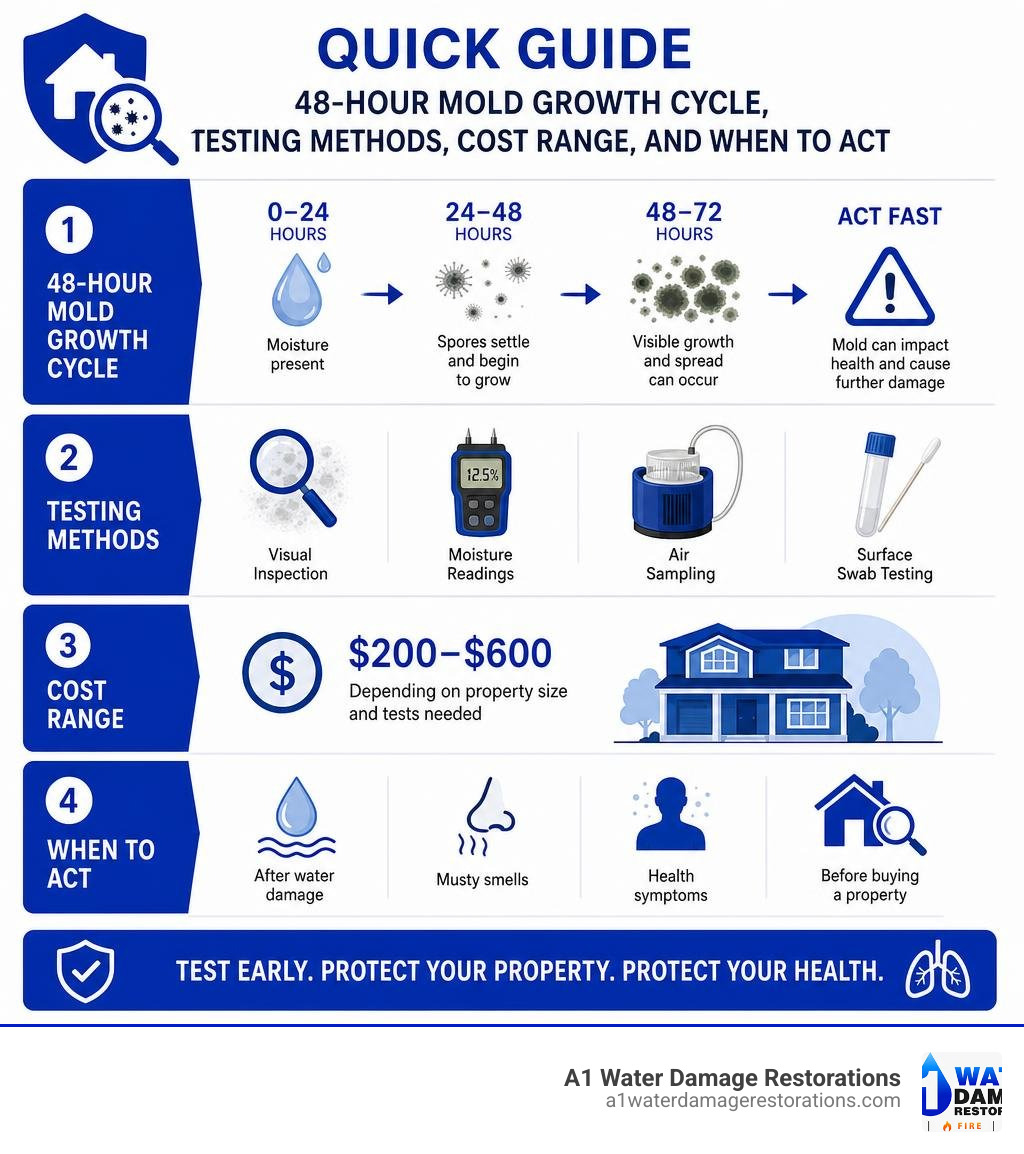
| When should I test? | After water damage, musty smells, health symptoms, or before buying a property |
| Who should I hire? | An independent, certified inspector (IICRC, CRMI, or CCMI certified) |
| What methods are used? | Visual inspection, moisture readings, air sampling, and surface swab testing |
Mold is not always visible. Most mold spores are completely invisible to the naked eye, and colonies can establish themselves in dark, isolated areas — behind drywall, under flooring, inside HVAC systems — long before you notice any smell or discoloration. Worse, once moisture is present, mold can begin to spread in as little as 48 to 72 hours.
For Westminster property owners recovering from water damage, a burst pipe, or even a house fire, that window closes fast.
My name is Cole Nudel, and I work in disaster restoration with A1 Water Damage Restorations in the Denver area, where mold testing in Westminster is a regular part of helping property owners recover safely after unexpected damage. This guide will walk you through everything you need to know — from spotting the early signs to understanding your test results.
Westminster, CA vs. Westminster, CO: Climate and Mold Testing Westminster Differences
If you search for mold testing Westminster, you might find yourself looking at search results for two entirely different places: Westminster, California, and Westminster, Colorado. While they share a name, their climates, building styles, and mold risks could not be more different.
Let’s look at why geography matters when it comes to mold.
The Coastal Humid Reality of Westminster, CA
Westminster, California, sits in Orange County. It experiences a Mediterranean climate with warm, dry summers and mild, wet winters. However, because of its proximity to the Pacific Ocean, it deals with high relative humidity, coastal morning fog (the marine layer), and seasonal humidity spikes.
In California, mold often thrives in wall cavities due to humid air leaking into air-conditioned spaces, or in older homes with outdated crawl spaces that trap moisture from the coastal air.
The Semi-Arid High-Altitude Reality of Westminster, CO
Now, let’s head to our home turf: Westminster, Colorado. Located in Adams and Jefferson counties, Colorado’s Westminster is a home-rule municipality with a population of over 116,317 (as of the 2020 census). It sits in a semi-arid, high-altitude climate.
You might think, “It’s dry in Colorado, so we don’t get mold, right?”
Unfortunately, that is a common myth. While our outdoor air is dry, our indoor environments tell a different story. In Colorado, mold is almost always an indoor, localized issue caused by:
- Rapid snowmelt and spring storms that overwhelm gutters and seep into basements.
- Severe winter freezing that causes water pipes to freeze, crack, and burst behind drywall.
- High indoor-to-outdoor temperature differentials in the winter, which cause moisture to condense on cold windows, sill plates, and inside poorly insulated attics.
- Basement sump pump failures during heavy summer downpours.
To help visualize these differences, here is a quick comparison of the mold risks in both regions:
| Climate Factor | Westminster, CA | Westminster, CO |
|---|---|---|
| Primary Climate Type | Mediterranean / Coastal | Semi-Arid / Continental High-Altitude |
| Average Outdoor Humidity | High (often 60%–80% due to marine air) | Low (often 15%–40%) |
| Common Mold Triggers | Ambient humidity, coastal fog, crawl space moisture | Pipe bursts, basement flooding, attic condensation, snowmelt |
| Primary Risk Areas | Wall cavities, crawl spaces, window sills | Basements, attics, crawl spaces, behind drywall |
| Testing Focus | Ambient moisture intrusion, coastal air filtration | Hidden leaks, sub-floor moisture mapping, structural drying |
Because of these stark differences, a local inspector in Colorado must focus heavily on structural moisture mapping. They use specialized tools like moisture meters and thermal imaging to find water trapped behind drywall or under subfloors before it spreads.
For more information on regional healthy home standards and local guidelines, check out the Boulder County Mold Guide.
When to Schedule a Professional Mold Inspection
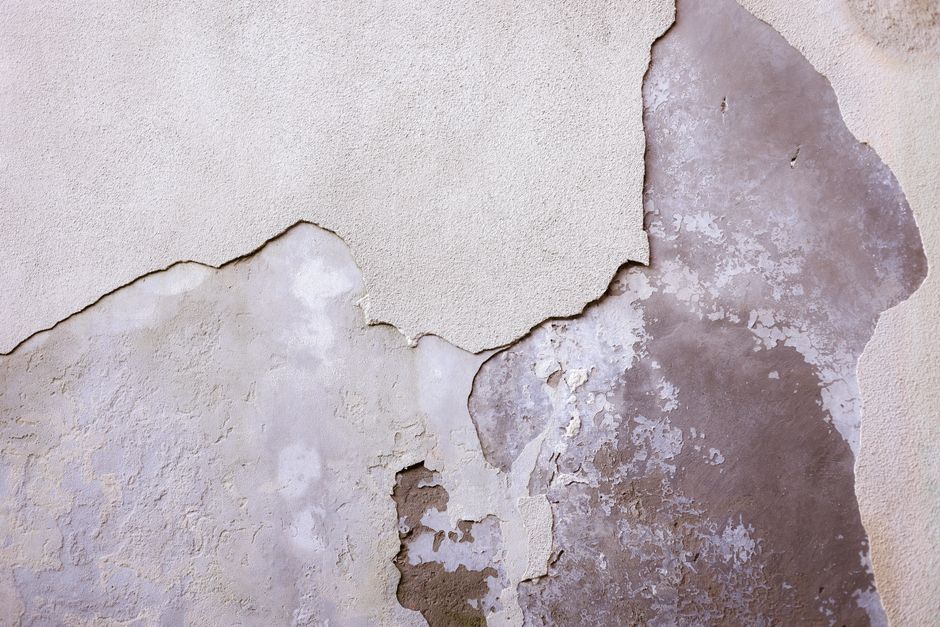
Many property owners wait until they see a thick, fuzzy black patch on their wall to call for help. By that point, the mold has likely been growing for weeks, releasing millions of microscopic spores into the air you breathe.
Knowing when to schedule a professional inspection can save your property from structural damage and protect your health. If you are dealing with recent water issues, understanding how to handle things early is key. Learn more about preventing mold after flood damage to protect your home.
Recognizing the Signs of Hidden Spores
With over 3,000 types of mold in existence, these fungi are incredibly adaptable. They do not need much to survive—just moisture, a food source (like the paper backing on drywall, wood framing, or carpet padding), and a dark, stagnant space.
Here are the most common warning signs that indicate you need a professional mold inspection:
- The “Musty” Smell: If a room, basement, or closet has a persistent, earthy, or dirty-sock odor that does not go away with cleaning, mold is almost certainly present.
- Unexplained Health Symptoms: Mold exposure affects everyone differently, but common symptoms include chronic coughing, sneezing, irritated eyes, nasal congestion, and worsened asthma. If your symptoms improve when you leave the building but return when you go back inside, the indoor air quality is likely compromised.
- Water Stains and Discoloration: Yellow, brown, or dark spots on walls, ceilings, or baseboards indicate a past or active water leak.
- Warping or Bubbling: If baseboards are warping, wallpaper is peeling, or paint is bubbling, moisture is trapped behind them—creating the perfect greenhouse effect for mold.
Why Post-Disaster mold testing Westminster Is Crucial
When a home suffers water damage from a burst washing machine line, a leaking roof, or a major storm, mold can start to develop and spread in as little as 48 to 72 hours.
What many people do not realize is that fire damage can also lead to mold. When firefighters douse a house fire, or when a home’s sprinkler system activates, thousands of gallons of water saturate the structure. If that water is not dried out completely within three days, a massive mold outbreak will follow.
If you’ve experienced water intrusion, acting quickly with professional Westminster water damage solutions is the best way to stop mold before it starts.
The Professional Mold Testing Process, Costs, and Ethics
If you suspect mold, buying a cheap DIY petri-dish kit from a local retail store might seem tempting. However, industrial hygienists and restoration experts agree: DIY mold kits are highly ineffective.
Because mold spores exist naturally in almost all air, a DIY kit will almost always grow mold, yielding a scary “false positive” without telling you the concentration, the specific species, or where the actual problem is located.
A professional mold testing Westminster service uses advanced, calibrated equipment to provide a complete picture of your indoor air quality.
Air Sampling vs. Surface Swab Testing
To get an accurate mold profile of a property, a professional inspector will typically use two primary testing methods:
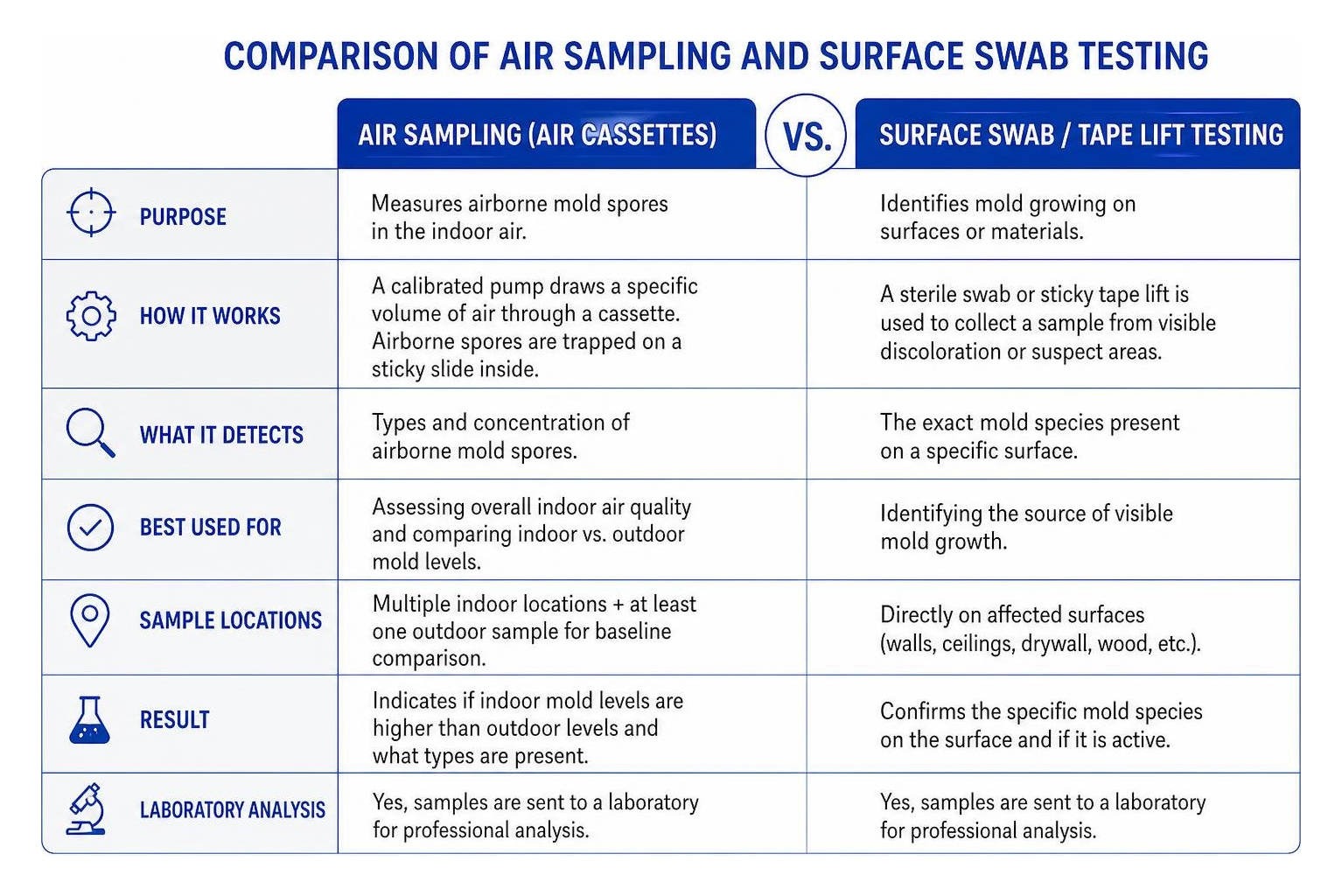
- Air Sampling (Air Cassettes): The inspector uses a calibrated pump to draw a specific volume of air through a small cassette. Any airborne spores are trapped on a sticky slide inside the cassette. The inspector will take at least one outdoor sample (to establish a baseline of natural, local mold levels) and compare it to indoor samples taken from suspicious rooms. If indoor spore counts are significantly higher than outdoor counts, or if toxic mold species are detected indoors that do not exist outdoors, you have an active mold problem.
- Surface Swab or Tape Lift Testing: If there is visible discoloration, the inspector will use a sterile swab or a sticky tape lift to collect a physical sample of the growth. This sample is sent to a laboratory to identify the exact mold species (such as Stachybotrys chartarum, commonly known as toxic black mold) and confirm if it is active.
What to Expect During Your mold testing Westminster Appointment
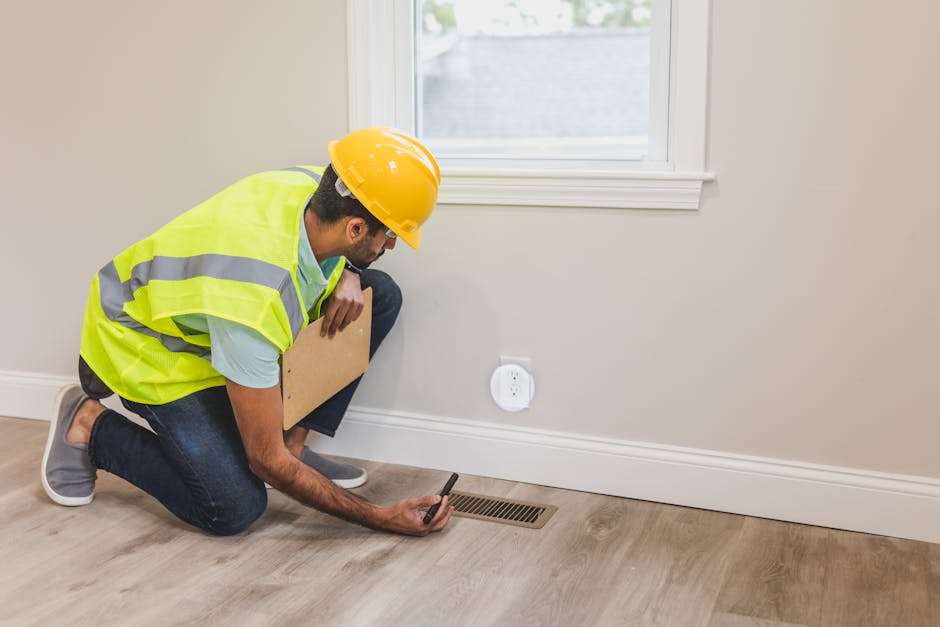
A standard mold inspection for a single-family home typically takes 2 to 3 hours. During this time, the inspector will:
- Conduct a Visual Assessment: They will inspect common trouble areas, including basements, crawl spaces, attics, and plumbing access panels.
- Use Moisture Meters: These devices measure the moisture content of wood, drywall, and plaster to pinpoint hidden leaks.
- Deploy Thermal Imaging (Infrared Cameras): These cameras detect temperature variations on walls and ceilings. Because wet materials are cooler than dry materials, thermal imaging allows inspectors to “see” hidden moisture pockets behind walls without tearing them down.
- Collect Samples: They will gather air and surface samples based on their findings.
Once the samples are collected, they are sent to an independent, accredited laboratory. You can typically expect to receive the detailed lab results and analysis within 24 to 48 hours.
The cost of professional mold testing in Westminster typically ranges between $200 and $600. This price varies depending on the size of the property and the number of air or surface samples required to get an accurate diagnosis. To avoid surprises, look for companies that offer transparent, flat-rate pricing rather than upcharging for every individual sample collected.
The Ethics of Independent Inspections vs. Restoration
In the restoration industry, ethics and transparency are everything. There is a clear conflict of interest when a company performs both the initial mold testing and the subsequent remediation. A dishonest contractor could easily exaggerate spore counts on a “free” inspection to scare you into paying for an expensive, unnecessary remediation job.
To protect yourself, we always recommend this ethical best practice:
- Step 1: Hire an independent, certified mold inspector (or industrial hygienist) who does not perform mold removal. They will provide an unbiased, objective lab report.
- Step 2: If the report is positive, hand that independent lab report to a certified restoration specialist. The restoration team will use the report as a “roadmap” to execute precise, safe containment and cleanup.
- Step 3: Once cleanup is complete, hire the independent inspector back to perform a “post-remediation clearance test” to verify the air is 100% safe before rebuilding.
When you need reliable, professional cleanup based on these reports, our team at A1 Water Damage Restorations is ready with certified mold removal services to restore your home safely.
Frequently Asked Questions About Mold Testing
What certifications should a Westminster mold inspector hold?
When choosing a mold inspector, look for credentials from respected, industry-standard organizations. Key certifications include:
- IICRC (Institute of Inspection, Cleaning and Restoration Certification): The gold standard for restoration and inspection professionals.
- CRMI (Certified Residential Mold Inspector) or CCMI (Certified Commercial Mold Inspector): Issued by professional inspection institutes like PHII.
- State Accreditation: Ensure the technician is licensed and insured to perform environmental testing in Colorado.
What should I do if my mold test comes back positive?
If your lab results show elevated levels of mold, do not panic, but do act quickly.
- Do Not Disturb the Mold: Scraping, scrubbing, or tearing down moldy drywall yourself will trigger a natural survival mechanism, causing the mold to release millions of spores into your HVAC system, spreading the contamination throughout your home.
- Turn Off Your HVAC System: This prevents the fans from circulating spores to other rooms.
- Address the Moisture Source: Mold cannot survive without water. You must repair the plumbing leak, roof leak, or drainage issue before cleaning the mold, or it will grow right back.
- Call a Professional: For areas larger than 10 square feet, hire an IICRC-certified remediation team. They will set up negative-pressure containment zones, use HEPA air scrubbers, safely remove contaminated materials, and disinfect the space.
For a detailed look at how professionals safely handle this process, read our comprehensive guide to mold remediation.
How can I prevent mold growth in Westminster’s climate?
Preventing mold in Colorado comes down to managing indoor moisture, especially during seasonal transitions.
- Keep Indoor Humidity Below 60%: Ideally, maintain relative humidity between 30% and 50%. Use a simple hygrometer to monitor this.
- Use Dehumidifiers: If you have a damp basement, running a dehumidifier during the spring and summer can prevent mold from colonizing subfloors.
- Ventilate While Cooking and Showering: Always run exhaust fans in the kitchen and bathroom. Leave bathroom fans running for at least 20 minutes after a shower.
- Manage Exterior Water: Ensure your gutters are clean, downspouts extend at least 5 to 6 feet away from your foundation, and the ground slopes away from your home to prevent water from pooling against basement walls.
Conclusion
At the end of the day, your home should be a safe haven, not a source of respiratory strain. If you smell a persistent musty odor, have recently dealt with water damage, or are experiencing unexplained allergy symptoms, professional mold testing is the smartest way to get clear, definitive answers.
If mold is detected on your property, we are here to help you take the next step. At A1 Water Damage Restorations, we are a family-owned business providing 24/7 IICRC-certified water, fire, and mold restoration across the Denver Metro Area—including Westminster, Boulder, Broomfield, Golden, and surrounding communities. We pride ourselves on providing comprehensive, in-house services with a warm, personal touch, ensuring swift action to restore your property better than ever.
Don’t let hidden mold compromise your indoor air quality. Explore our professional restoration services today, or reach out to our team to help restore your peace of mind!