

Emergency Storm Damage Repair in Denver: Act Fast and Protect Your Home
For storm damage repair Denver homeowners can complete quickly, start with safety: stay away from downed power lines, broken glass, unstable trees, and damaged roof areas. Then take photos from the ground, move valuables away from leaks, and call a qualified emergency restoration contractor for temporary roof tarping, board-up, water removal, and a documented damage assessment.
Denver storms can bring hail and wind above 70 mph. A fast response matters because a small roof opening or broken window can let in water, leading to damaged insulation, ceilings, floors, and possible mold growth. Do not climb onto a wet or hail-damaged roof to inspect it yourself.
I am Cole Nudel, a disaster restoration professional with A1 Water Damage Restorations in the Denver area. My experience helping property owners navigate storm damage repair Denver and the restoration process can help you take practical next steps when every minute counts.
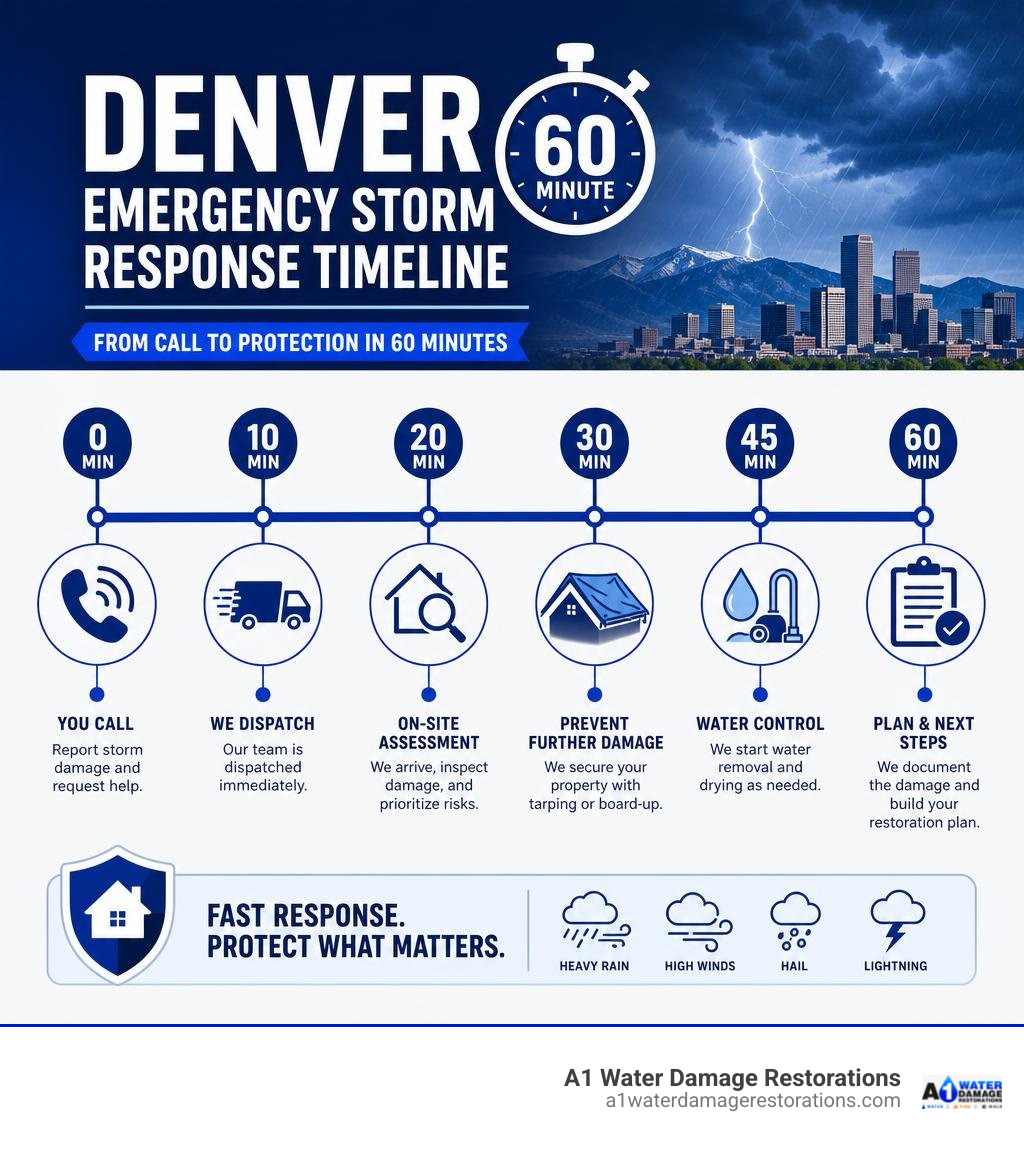
Storm damage repair Denver terms to remember:
Immediate Post-Storm Protocol: Safety and Damage Identification
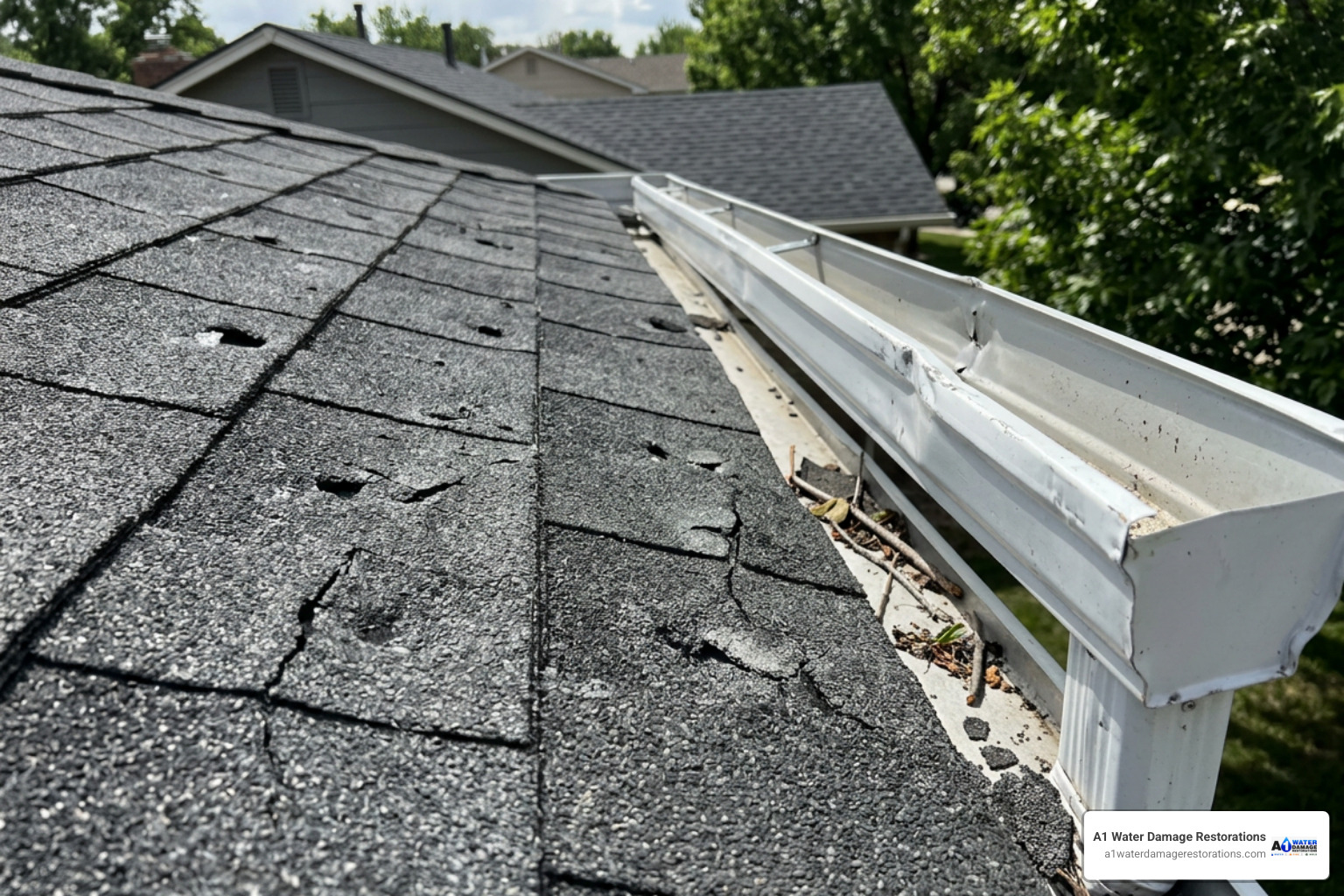
Living along the Front Range means dealing with severe weather. Denver experiences an average of 50 to 60 severe thunderstorm days every year, frequently accompanied by intense hail and punishing winds. Hailstorms in Colorado cause an estimated $1.5 billion in property damage annually, making our metro area a primary hotspot.
When a severe cell blows through, your first priority must always be life safety:
- Check for Utility Hazards: Downed power lines and damaged gas meters pose immediate life threats. If you smell natural gas (a rotten-egg odor), leave the premises immediately and call your utility provider from a safe distance.
- Watch for Structural Instability: High winds exceeding 70 mph can compromise exterior walls, load-bearing porch supports, and heavy tree limbs hanging over your roof. Stay clear of leaning structures or ceilings that appear bowed under water weight.
- Conduct a Ground-Level Assessment: Walk the perimeter of your home only after the storm has fully passed and lightning has cleared. Grab your smartphone and take wide-angle and close-up photographs of all visible exterior issues before touching or moving anything.
Following a structured roof storm damage checklist helps ensure you capture every critical detail for your insurance company without putting yourself in harm’s way.
Identifying Roof, Siding, and Window Damage
Storm destruction is not always as obvious as a fallen tree on your ridge cap. Often, the damage is subtle at first, slowly allowing moisture to rot your home’s structural framing over months.
- Roofing Materials: Look for heavy granule loss gathering at the base of your downspouts. On the roof surface, hail creates dark, circular “bruises” where granules have been knocked away, exposing the fragile asphalt substrate beneath. High winds can also crease, tear, or completely lift shingles, breaking their factory adhesive seals. Learning how to handle a storm damaged roof starts with recognizing these early warning signs before a minor leak becomes an interior deluge.
- Gutters and Downspouts: Aluminum gutters, downspouts, and metal valley flashings show denting easily. If your metal components look like they were hammered with golf balls, your shingles took the exact same beating.
- Siding and Trim: Vinyl siding often cracks, splinters, or chips under direct hail impact, while fiber-cement and wood siding may show deep gouges or chipped exterior paint that exposes raw wood to moisture.
- Windows and Casings: Inspect window frames for dented aluminum cladding, cracked glass panes, shredded screens, and broken perimeter seals that cause fogging between insulated glass layers.
Immediate Actions to Prevent Secondary Water Intrusion
Colorado insurance policies require property owners to take reasonable steps to prevent further damage after an event. Failing to mitigate ongoing water intrusion can result in denied insurance payouts for secondary mold or rotted drywall.
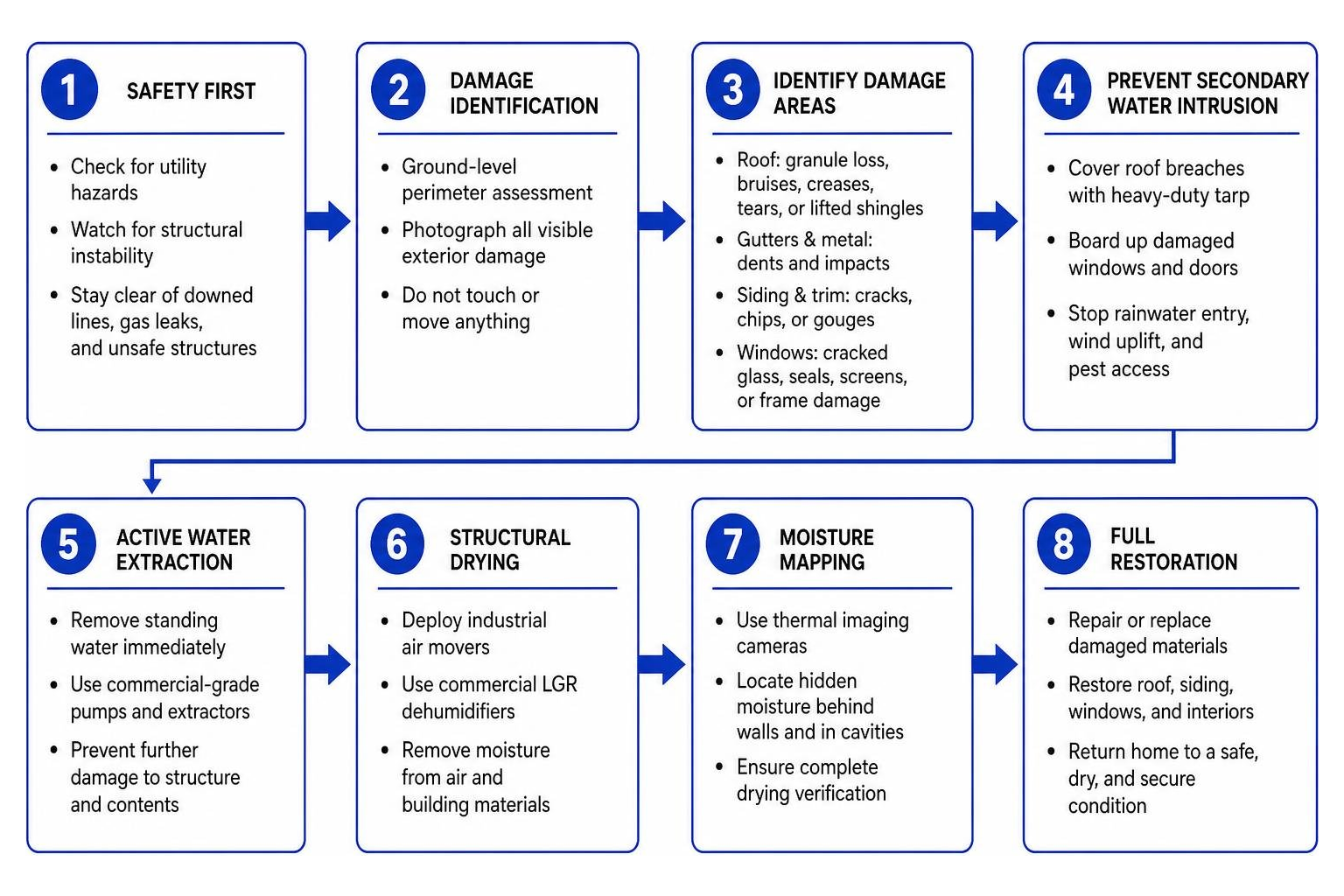
When water enters your living space, immediate containment is necessary:
- Emergency Tarping: Securing a heavy-duty, UV-resistant tarp over breached roofing sections prevents rainwater from penetrating the decking.
- Window and Door Board-Up: Damaged glass openings must be secured with structural plywood to prevent rainwater entry, wind uplift, and unwanted pests.
- Active Water Extraction and Moisture Mapping: When water enters attics or living areas, extraction must happen immediately using commercial-grade pumps and extractors. Structural drying requires industrial air movers, commercial LGR dehumidifiers, and thermal imaging cameras to track hidden pockets of moisture behind walls.
To protect your interior property from progressive destruction, follow a proven disaster restoration playbook that prioritizes rapid extraction and thorough structural drying.
The Fast-Track Process for Storm Damage Repair in Denver
When severe storms sweep through communities from Boulder and Broomfield down to Arvada, Westminster, Wheat Ridge, Golden, Cherry Creek, Littleton, and Greenwood Village, emergency services book up fast. To get a crew to your door in under an hour, you need a streamlined plan:
- Call a 24/7 Rapid-Dispatch Restoration Company: Skip out-of-town call centers. Contact a local, family-owned restoration provider with dedicated crews staged throughout the Denver metro area ready for immediate dispatch.
- Authorize Immediate Emergency Stabilization: Give verbal and written approval for emergency board-up, roof tarping, and water mitigation before waiting for an adjuster. Under Colorado law, mitigation to prevent further damage is a standard covered service that should not wait for claim approval.
- Request Comprehensive Digital Documentation: Ensure the crew captures full moisture readings, thermal imagery, and itemized damage sheets to streamline your future claims process.
Securing dependable 24-hour emergency restoration services immediately after a disaster strikes safeguards both your home and your financial investment.
How to Choose Certified Storm Damage Repair in Denver Contractors
The influx of storms along the Front Range attracts transient contractors looking for quick payouts. Choosing a qualified restoration partner protects your home from shoddy workmanship and legal headaches.
Verify these critical qualifications before signing any contract:
- IICRC Certification: The Institute of Inspection, Cleaning and Restoration Certification sets global standards for water extraction, structural drying, and microbial remediation.
- Local Licensing and Insurance: Ensure your contractor holds active municipal contractor licenses in Denver or your specific municipality, along with at least $1,000,000 in General Liability and full Workers’ Compensation coverage.
- Comprehensive In-House Services: Working with a single company that handles emergency mitigation, dry-out, and full structural reconstruction saves you from juggling multiple sub-contractors.
- Clear Workmanship Guarantees: Reputable contractors offer comprehensive labor warranties alongside manufacturer shingle warranties.
Reviewing a practical guide to hiring certified hail damage roofing contractors gives you the tools needed to vet potential contractors thoroughly.
Cost and Timeline Estimates for Storm Damage Repair in Denver
Approximately 25% of all property insurance claims filed in Colorado stem from hail and wind damage. Understanding local market rates helps set realistic budgets and expectations during restoration.
| Repair Category | Average Cost Range (Denver Metro) | Typical Project Timeline | Primary Scope of Work |
|---|---|---|---|
| Emergency Tarping & Board-Up | $500 – $1,800 | 1 – 3 Hours | Securing roof punctures, weatherproofing broken windows, temporary structural sealing. |
| Water Extraction & Structural Drying | $2,500 – $7,000 | 3 – 5 Days | Industrial extraction, antimicrobials, LGR dehumidification, moisture mapping. |
| Partial Roof Repair | $1,200 – $4,500 | 1 – 2 Days | Replacing missing shingles, repairing localized decking, valley flashing repairs. |
| Full Roof Replacement | $8,500 – $22,000+ | 1 – 3 Days | Complete tear-off, replacing damaged decking, installing Class 4 impact shingles. |
| Siding Replacement (Sectional) | $2,000 – $6,500 | 2 – 4 Days | Removing damaged vinyl/fiber-cement runs, installing house wrap, matching profiles. |
| Window Replacement (Per Unit) | $600 – $1,400 | 1 Day (Post-Order) | Installing new energy-efficient double-pane units, custom exterior aluminum capping. |
Note: The average cost of roof repair after a hailstorm in Denver ranges from $5,000 to $15,000 depending on pitch, square footage, and material grade. In 2023, Denver County reported over 3,000 insurance claims related to storm damage, with an average claim payout of $12,000.
Navigating Colorado Insurance Claims and Local Denver Building Codes
Navigating property insurance after a severe Front Range storm can feel overwhelming, but an organized approach makes all the difference.
- File the Claim Immediately: Contact your insurance carrier’s claims line as soon as initial safety is secured. State clearly that your property sustained hail/wind damage and that you have initiated emergency mitigation to prevent secondary loss.
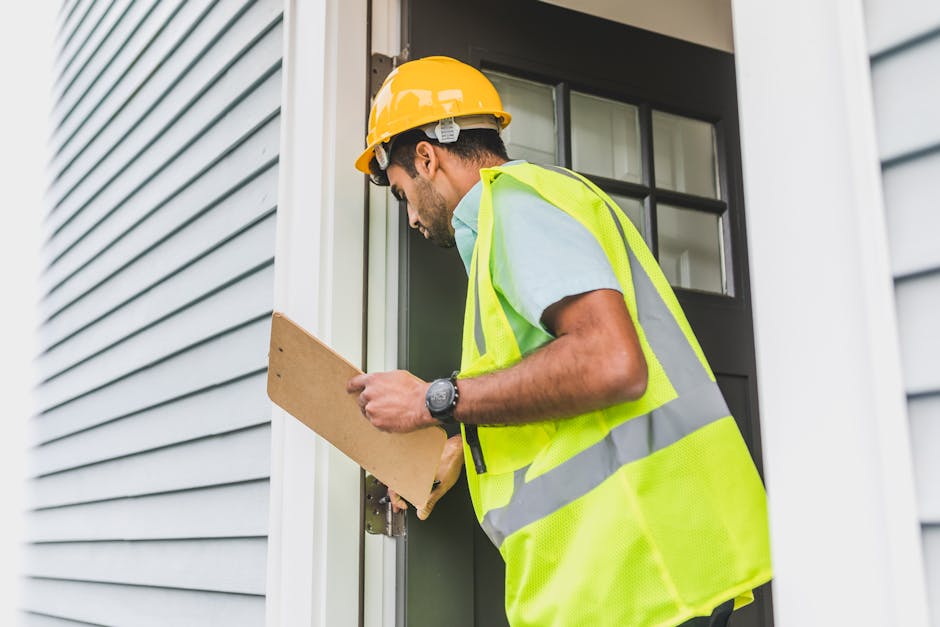
- Meet the Adjuster on Site: Request that your restoration project manager attend the adjuster’s inspection. Having a certified restorer on-site ensures all hidden structural damage, attic moisture, and flashing issues are documented on the initial scope of loss.
- Review the Estimate for Code Upgrades: Colorado building codes evolve regularly. Your insurance settlement must account for mandatory municipal upgrades, such as drip edge installation and ice-and-water shield requirements.
Filing Claims and Avoiding Storm-Chaser Scams
Following major weather events, out-of-state “storm chasers” canvass neighborhoods offering free roofs or promising to pay your insurance deductible.
Under Colorado law (C.R.S. § 10-3-1115 & § 18-13-1305), it is strictly illegal for contractors to pay, waive, rebate, or absorb a property owner’s insurance deductible. Any contractor offering to “cover” your deductible is engaging in insurance fraud, which can jeopardize your entire claim.
Be wary of high-pressure sales tactics requiring you to sign over an Assignment of Benefits (AOB) on your front porch. Review our guide on protecting against hail damage scams to keep control of your policy and protect your investment.
Denver Building Permits and Code Requirements
All structural storm repairs, window alterations, and re-roofing projects within the City and County of Denver require permits issued through Denver Community Planning and Development (CPD).
Key local building code mandates include:
- Mandatory Ice & Water Shield: Required along all eaves extending 24 inches inside the interior wall line to defend against freeze-thaw cycles and ice dams.
- Mid-Roof and Final Inspections: City inspectors must verify proper fastening patterns, underlayment compliance, and flashing integration.
- Impact-Resistant Materials: While not strictly mandated by all municipalities, installing UL 2218 Class 4 impact-resistant shingles is highly recommended across the Front Range and qualifies homeowners for significant annual discounts on property insurance premiums.
Frequently Asked Questions About Storm Restoration in Denver
What is the fastest way to get emergency roof tarping in Denver?
The fastest way to secure emergency roof tarping is to call a local Denver restoration contractor with a dedicated 24/7 emergency dispatch line. Avoid submitting web forms during active storm surges; direct phone contact allows dispatchers to route the closest available mobile unit to your neighborhood immediately.
How much does storm damage repair typically cost in Denver?
Costs vary widely based on the severity of the storm. Minor siding or localized shingle repairs typically range between $1,200 and $3,500, while full roof replacements average between $8,500 and $18,000. Most storm restoration projects are covered by property insurance policies, leaving homeowners responsible only for their policy deductible.
How can homeowners prepare their properties for future Denver storms?
You can minimize future storm damage by trimming dead or overhanging tree limbs at least 10 feet away from your roofline, keeping gutters clear of organic debris, inspecting roof flashings every spring, and upgrading to Class 4 impact-resistant shingles during your next roof replacement.
Conclusion
When a severe hail or wind storm strikes your Denver property, fast action protects your home from compounding water damage and structural decay. From emergency tarping and industrial water extraction to navigating insurance paperwork and municipal building permits, working with an experienced team provides true peace of mind.
At A1 Water Damage Restorations, we provide 24/7 IICRC-certified water, storm, and structural restoration across the entire Denver Metro Area—including Boulder, Cherry Creek, Golden, Greenwood Village, Arvada, Westminster, Wheat Ridge, Broomfield, and Littleton. As a family-owned business, we provide comprehensive, in-house services with a personal touch, ensuring swift action and properties restored better than ever.
If your home has been hit by recent severe weather, contact our rapid-response team today for professional storm damage restoration services.